Quick Answer
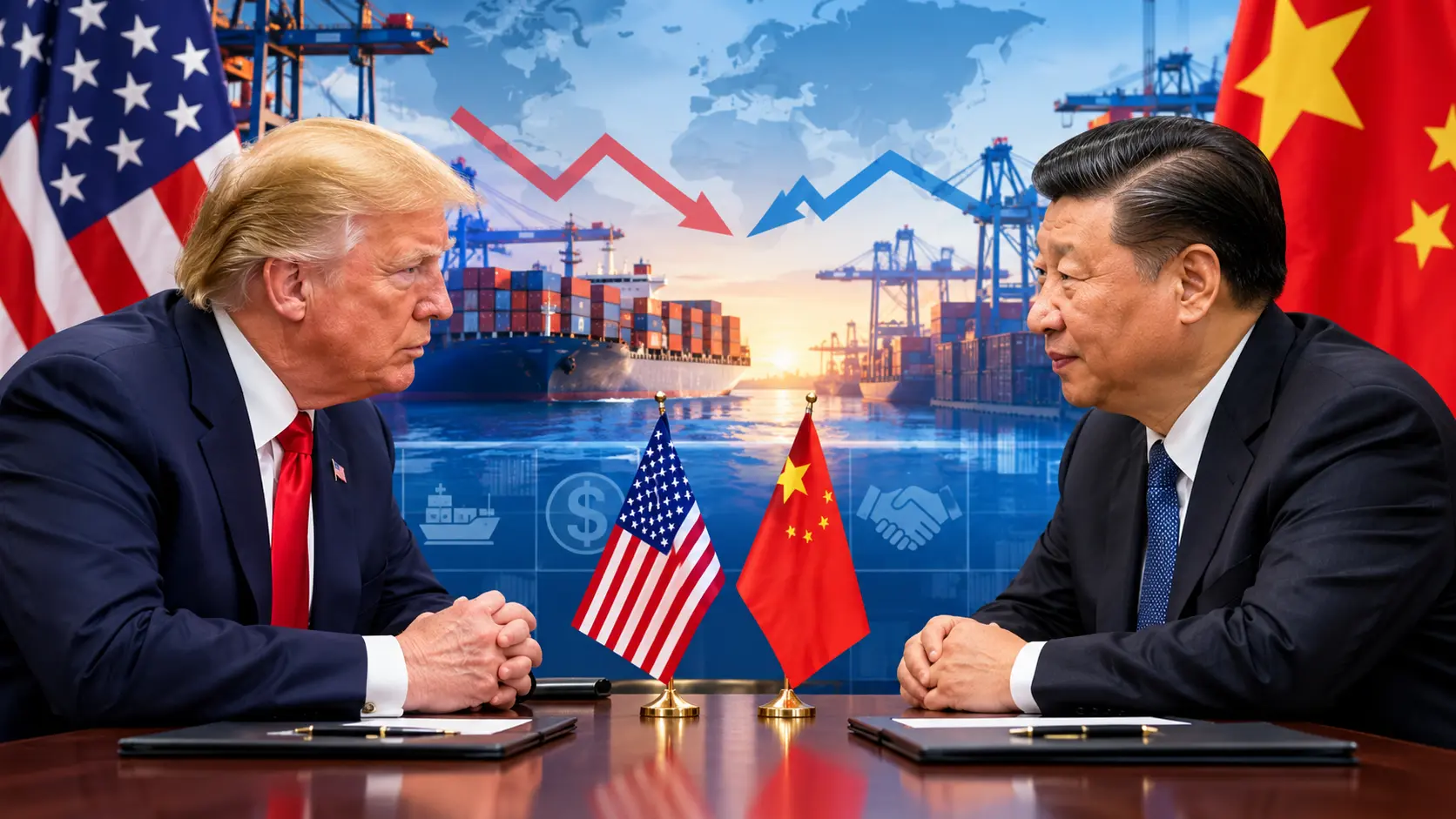
President Trump hosts President Xi Jinping at the White House on September 24, 2026, for their second face-to-face meeting this year. Trade sits at the center of the agenda, alongside Taiwan and technology. Most analysts expect small, practical wins — think Chinese purchases of American soybeans and Boeing jets — rather than a sweeping trade deal. Both leaders are mainly trying to keep their fragile 2025 trade truce from falling apart.
The upcoming Trump-Xi Summit 2026 brings President Trump and President Xi Jinping together at the White House on September 24, 2026, for their second face-to-face meeting this year.
Why the Trump-Xi Summit 2026 Is a Big Deal
Trump To Host Chinese President For First Time In Ten Years As Both Powers Clash Over Trade
Xi Jinping hasn’t been to the White House in ten years, so this week’s meeting is historic in that sense. Trump will personally greet him at Joint Base Andrews, which is unusual for a sitting U.S. president, and a formal arrival ceremony, military review in the Rose Garden, and a state dinner featuring tech titans like Elon Musk, Tim Cook, and Sam Altman are also planned.
But what the headlines are really about is money. The U.S. and China are the two biggest economies in the world, so almost every tariff, export, and trade commitment between the two countries has an impact on prices in American stores.
When and Where Is the Trump-Xi Summit Happening?
The main meeting takes place Thursday, September 24, 2026, at the White House in Washington, D.C. This is the second Trump-Xi summit of the year, the first was in Beijing in May 2026. Previously, the two leaders met in Busan, South Korea, in October 2025, where China agreed to resume soybeans and other purchases from the United States after a period of trade war.
The “Three Ts”: Taiwan, Technology, and Trade
Foreign policy watchers have a nickname for this summit: the meeting of the “three Ts.” Here’s what each one covers.
- Trade — Extending the fragile truce, tariff levels, and whether China follows through on earlier promises to buy American farm products.
- Technology — Export controls on chips, AI safety cooperation, and a proposed “AI Dialogue” where both countries would notify each other about serious AI incidents.
- Taiwan — The most sensitive topic of all. Beijing has signaled it wants Taiwan addressed alongside trade, not treated as a side issue.
Ahead of the summit, Treasury Secretary Scott Bessent and Chinese Vice Premier He Lifeng held preparatory talks in New York. Bessent called the meeting “successful” and said both sides discussed setting up a notification system for AI incidents that reach a national security level. U.S. Trade Representative Jamieson Greer added that the two countries have already put the U.S.-China Board of Trade into action to help move negotiations along.
What Trade Deals Could Actually Come Out of This?
Nobody expects a dramatic, headline-grabbing trade pact. Based on what officials and trade experts are signaling, here’s a realistic list of what might actually get announced:
| Possible Outcome | What It Would Mean |
| Bigger soybean and farm purchases | Returns U.S. agricultural exports to pre-2025 levels, helping American farmers |
| Boeing jet orders | A win for U.S. manufacturing jobs and the aerospace industry |
| Fentanyl precursor crackdown | China limits chemical exports used to make fentanyl in the U.S. |
| Trade truce extension | Keeps current tariff levels steady instead of new hikes |
| AI notification agreement | A first step toward managing AI risk between the two powers, not a trade deal itself |
None of these would fix the deeper disagreements over technology and export controls. Those issues are expected to drag on well past this week.
Why Expectations Are Low This Time
When Donald Trump visited China in May, the outcome was a showy event but few substantive business deals. Observers believe the same summit could follow a similar pattern. Xi Jinping does not have as much incentive to make concessions, as China’s trade relations with the rest of the world have only improved since their meetings. At the same time, Trump faces an expensive war with Iran and decreasing popularity at home, which reduces his ability to make compromises to push Beijing into making concessions.
One China analyst said that the relationship “increasingly produces transactions without trust and stability without settlement,” meaning that both sides will be able to produce a few deals on paper but will continue to feel uneasy about dealing with each other.
What This Means for Your Wallet
So long as the truce stays in place and tariffs remain stagnant, prices will likely remain stable in this week. Should China follow through on purchasing soybeans and Boeing planes, it would be good news for both farm states and aerospace workers, but it wouldn’t do much to lower what you spend at the grocery store. The threat to watch out for in terms of technology is if talks about restricting exports falter, leaving prices for electronic equipment and related goods higher than expected for longer than expected. Be on the lookout for tariff news in days to come, rather than one large announcement on Thursday.
Final Word
This summit isn’t likely to end the U.S.-China trade war, but it also isn’t likely to restart it. Think of it as maintenance, not a fix. Farmers, manufacturers, and tech companies all have something riding on whether Trump and Xi can keep last year’s truce alive for another stretch.
FAQ
When is the Trump-Xi Summit 2026?
The main meeting is scheduled for Thursday, September 24, 2026, at the White House in Washington, D.C.
Is this the first time Trump and Xi have met this year?
No. This is their second meeting of 2026. The first took place in Beijing in May, and before that, they met in Busan, South Korea, in October 2025.
What is the main topic of the summit?
Trade leads the agenda, but Taiwan and technology (especially AI and export controls) are also expected to come up heavily.
Will tariffs go up or down after the summit?
Most analysts expect the current trade truce to be extended rather than a major tariff change in either direction. A big shift isn’t the likely outcome.
Will this summit end the U.S.-China trade war?
Unlikely. Experts describe this as a “low-expectations summit” aimed at managing tensions, not resolving the deeper disputes over technology and Taiwan.
How could this affect prices in the U.S.?
If the truce holds, don’t expect sudden price changes. Farm and aerospace sectors could see direct benefits from any purchase deals; tech and electronics prices are more exposed if export control talks break down.
Suggested Internal Links
- Link “trade truce” to any existing article on the 2025 Busan Summit or U.S.-China tariff history
- Link “export controls” to a piece on U.S. semiconductor/chip policy
- Link “Taiwan” to coverage of U.S.-Taiwan relations, if the site has one
Suggested Image Alt-Text
- Trump and Xi Jinping shaking hands at Trump-Xi Summit 2026 White House meeting
- Table showing possible U.S.-China trade outcomes from the 2026 summit
- White House Rose Garden arrival ceremony for Xi Jinping September 2026
Sources
- Bloomberg: Trump-Xi Showdown: US-China Summit Casts Shadow Over World Economy
- The National: Trump set for Washington summit with Xi focused on trade, Taiwan and AI
- CNBC: Bessent calls meeting with China Vice Premier He Lifeng ‘successful’ ahead of Trump-Xi summit
- US News/Reuters: Xi Rolls Into Trump Summit With China’s Trade Engine Roaring
- CNBC: Trump-Xi Washington summit: Why some expectations are low
- CSIS: Trump-Xi 2026 Summits